
Review · BEER TASTINGS
Unlock Chinese Tea: Culture, Science, Tasting & Hands-on Brewing
Chinese tea becomes far more interesting when you stop treating it as a drink and start seeing how history, farming, processing, water, tools, and manners all affect the cup. This small workshop with Max combines tasting, visual material, tea stories, and hands-on brewing in a private room near Shanghai’s Old Town.
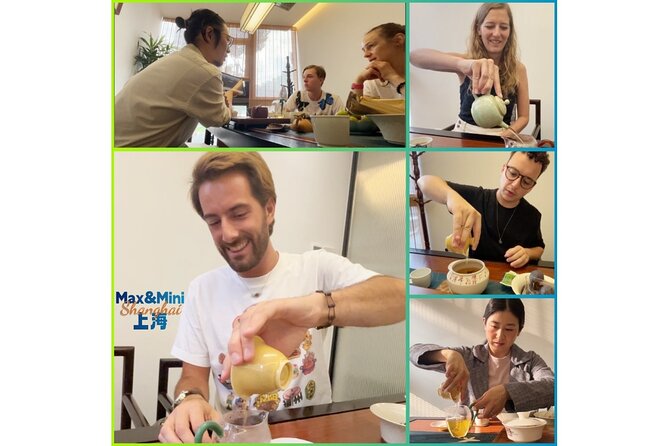
I like the practical format: you do not simply watch someone pour tea, you practice with a gaiwan and clay pots. I also like the small maximum of seven people, which gives you room to ask questions. The main consideration is the price, $72 per person, which is fair for a focused cultural class but more than a casual tea tasting.
Key points
- Taste several Chinese tea types: Compare different categories and learn how their flavors differ.
- Practice with traditional tea ware: Use a gaiwan, clay pots, and other brewing tools rather than only observing.
- Follow tea through Chinese history: Hear how tea changed from an herbal preparation into an everyday drink.
- Learn the six main categories: See how processing creates green, black, oolong, and other tea styles.
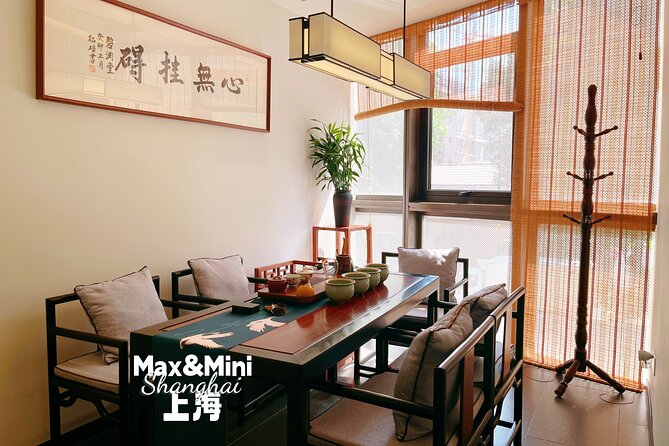
- Enjoy a private room and snacks: Seasonal fruit and tea snacks add a pleasant local touch.
- Keep the group small: The experience accepts no more than seven people and may sometimes be arranged one on one.
A Shanghai tea class built around doing
The best part of this experience is its learn-by-doing approach. You taste, compare, handle the tea ware, and brew for yourself. That makes the session more useful than a standard demonstration, especially if you want to continue drinking or preparing Chinese tea after your Shanghai visit.
Max leads the workshop. He previously worked as a PayPal ESG lead and senior trainer, and now works as a certified English guide focused on Chinese culture and tea. That background matters here because the class is designed to explain both the cultural side and the practical side.
You can ask why a tea tastes floral, grassy, roasted, smoky, or smooth. You can also ask how a tea was made, what tool suits it, and why a certain brewing method is used. The experience is intended for beginners, but people who already know Chinese tea can still use the time to compare ideas and improve their technique.
The advertised duration is about two and a half hours. That is long enough for a real lesson, rather than a quick sample of three or four cups. Some descriptions of the session call it two hours, so allow roughly two to two and a half hours in your day.
More Beer Tastings in the world:
- Bruges: Guided Tour & Boat Ride with Optional Beer Tasting
★ 4.4 · 3,894 reviews - Prague: Pilsner Urquell Experience & Beer Tasting
★ 4.7 · 3,480 reviews - Cologne: Brewery Tour with 3 Kölsch Beer Tastings
★ 4.7 · 3,108 reviews
Meeting Max near Shanghai’s Old Town
The meeting point is Ninghai Guesthouse, at 149 Nong, 100 Nanchezhan Road, Huangpu District, Shanghai, postal code 200011. The activity begins and ends at this same meeting point.
The itinerary identifies Old Town as the stop, but the main event takes place in a private, comfortable tea-house room. This is not a walking tour through a long list of historic sights. Think of the Old Town setting as your Shanghai base for a concentrated indoor cultural activity.
The room has tea-brewing equipment and air conditioning. That is useful in Shanghai, where weather can make a long outdoor activity tiring. A quiet room also helps you focus on aroma, color, texture, and the small differences between cups.
You should check the meeting address carefully before setting out. The information gives the Chinese address, which is useful for showing a driver or confirming your route. The experience is near public transportation, but no particular station or route is specified.
Six tea categories, explained in the cup
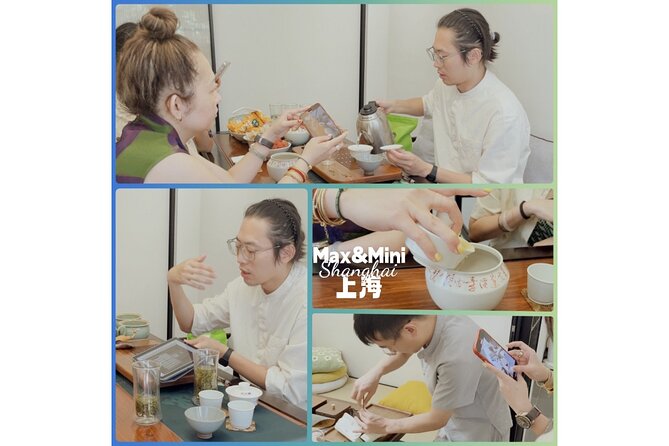
China is commonly described through six major tea categories: green, yellow, white, oolong, black, and dark tea. The workshop uses visual material to explain these types and connects the explanation to what you taste.
That connection is important. A list of tea names is easy to forget, but tasting several styles while learning how they were processed gives you a practical reference point. You begin to notice that tea is not just about the plant. Heating, oxidation, rolling, drying, aging, and other steps shape the final flavor.
The wording of the class promises several kinds of tea, with some sessions offering five types and an explanation of the six main categories. The exact selection may vary, so do not expect a fixed menu of named teas. You should expect a broad introduction to typical Chinese tea styles.
This section suits curious beginners especially well. If you normally choose tea by the color of the box or the name on a café menu, you will gain a better sense of what those labels mean. If you already drink Chinese tea, use the discussion to ask about processing and compare your own impressions with Max’s explanations.
Tasting teaches more than a tea lecture
The tasting is not only a chance to drink several cups. It is a lesson in paying attention. You can compare appearance, scent, taste, mouthfeel, and aftertaste, then see how those qualities relate to the tea type and its production.
Max also brings in the science behind tea. The class is intended to explain what happens during processing and why different methods produce different results. That scientific element gives the cultural material some useful structure without turning the session into a technical laboratory lesson.
You may find the tasting pace slower than a normal cup of tea. That is a benefit if you want to understand what you are drinking, but it may feel too detailed if you simply want a relaxing beverage stop. The activity is best approached as a workshop, not as an unlimited tea service.
Previous sessions have included seasonal fruit such as pomelo and other tea snacks. These foods give you something to eat while you taste and show how tea can be paired with simple snacks. The exact snack selection is not specified, so treat the food as a welcome part of the class rather than the main reason to book.
More brewing workshops in the world:
- Bruges: Belgian Waffle-Making Workshop with Beer Tasting
★ 4.9 · 960 reviews - Brussels: Belgian Waffle Making Workshop with Beer Tasting
★ 4.9 · 308 reviews - Ghent: Belgian Waffle-Making Workshop with Beer Tasting
★ 4.8 · 256 reviews - Bruges: Belgian Chocolate Making Workshop with Beer Tasting
★ 4.9 · 203 reviews
Brewing with a gaiwan and clay pot
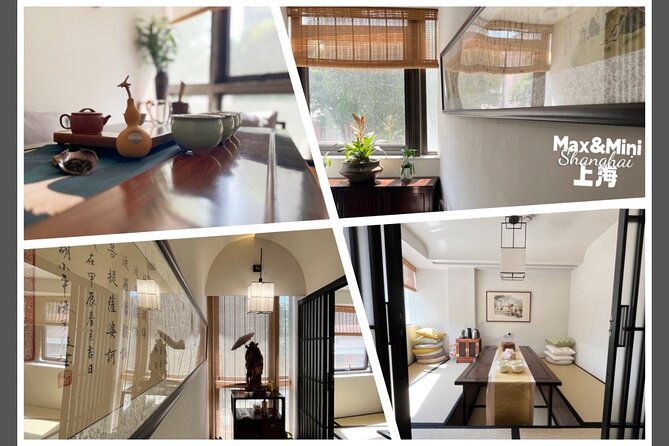
The hands-on brewing is where this experience earns its place in a Shanghai itinerary. You use different pieces of tea ware, including a gaiwan and clay pots, and practice traditional brewing methods and etiquette.
A gaiwan can look simple, but it takes a little coordination. You manage the lid, tea leaves, water, and pouring without burning your fingers or leaving the leaves steeping too long. A clay pot introduces another style of brewing and helps you see why the equipment is part of Chinese tea culture, not just decoration.
You do not need previous experience. The class is designed for beginners, and the point is to practice in a relaxed setting. Max’s teaching style is described as interactive and approachable, so you can ask for another explanation or try a technique again.
The practical focus is one of the strongest reasons to book. You leave with more than facts about dynasties or tea names. You have handled the tools and can feel more comfortable trying Chinese brewing methods at home.
Still, remember that the class is an introduction, not a professional tea-training course. The session gives you a foundation in tasting, brewing, and etiquette. It cannot cover every regional style, tea farm, vessel, or advanced technique in two and a half hours.
Tea’s long path from herb to daily drink
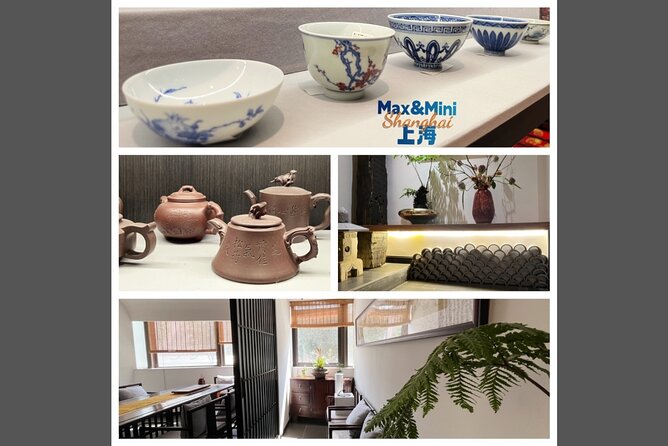
The historical section follows tea from its early use as an herb to its place as a daily beverage. You will hear how tea developed across Chinese dynasties and how its role changed over time.
This story adds meaning to the brewing ritual. A small gaiwan, a particular pouring motion, or a snack beside the tea can seem fussy when seen without context. Once you understand that tea has been shaped by changing customs and social habits, the details make more sense.
I particularly like that the class joins history with taste. You are not asked to remember a string of dates and names. Instead, the past is used to explain why Chinese tea is prepared and served in particular ways.
The amount of historical detail will depend on your questions and the pace of the group. Since the maximum is seven people, you should have a better chance to steer the conversation toward the cultural topics that interest you most.
What the small group changes
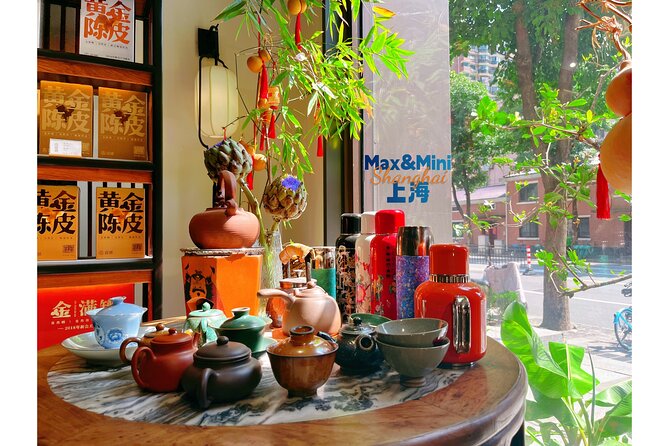
The group limit is seven people. That is small enough for a more personal class, while still allowing you to share the experience with other people if you prefer a social setting.
A small group also matters during the brewing practice. With fewer participants, you are less likely to spend the entire session watching from the back of a crowded room. You can handle the tea ware, ask about a flavor, and get help with the pouring technique.
The activity may sometimes be offered as a one-on-one workshop. One session was arranged at short notice for a solo participant, so a private format can happen, though it should not be assumed for every booking. If you want a solo class, confirm availability before booking.
There is a tradeoff. A small, specialist class depends heavily on the guide’s style and your own interest. If you like asking questions and learning through conversation, that is a plus. If you prefer a fast, highly structured sightseeing tour, the relaxed tea-room format may feel slow.
Is $72 a fair price?
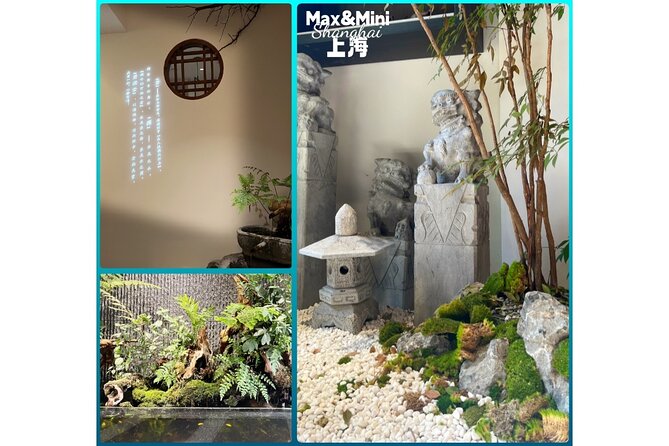
At $72 per person, this is not the cheapest way to drink Chinese tea in Shanghai. You can find tea shops and cafés where a pot costs much less. The value here comes from the instruction, the private room, the selection of teas, the snacks, and the chance to practice with several kinds of tea ware.
For someone who wants only a pleasant cup, I would save the money and visit a tea shop. For someone who wants cultural context and a skill they can use later, the price is easier to justify.
The small group improves the value. You are paying for access to Max’s teaching and for time to ask questions, not just for tea leaves. The practical lesson also has a longer life than a single tasting. You can use what you learn when buying tea, reading a menu, or brewing at home.
Group discounts are available, though the amount is not provided. Ask about the discount if you are booking with friends or family. Mobile tickets are supported, and confirmation is received when you book.
Who will enjoy this workshop most?
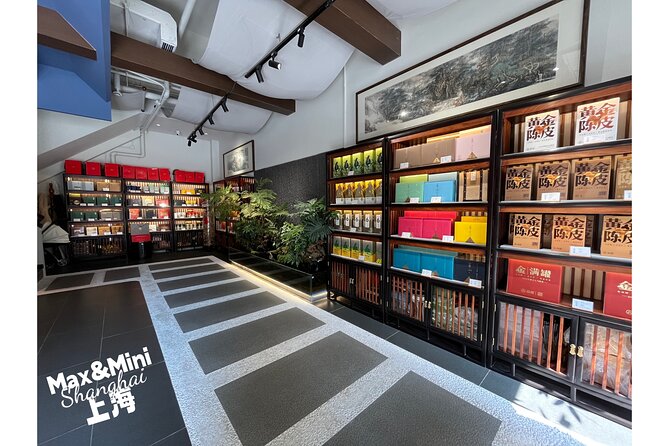
I would recommend this activity to several kinds of people:
- First-time visitors who want a cultural activity with real participation
- Tea drinkers who want to understand Chinese styles beyond familiar green or black tea
- Couples, families, and small groups looking for a quiet indoor activity
- Solo visitors who enjoy a personal lesson and open conversation
- People who like food and drink experiences with historical context
- Anyone who wants to practice a skill rather than only take photos
It may not suit you if you dislike seated instruction, have very little time in Shanghai, or want a broad city tour with several sightseeing stops. The itinerary is centered on tea, and that focus is the reason to book it.
Service animals are allowed. The room has air conditioning, and the activity is near public transportation. No other accessibility details are provided, so contact the provider if you have specific mobility or seating needs.
Timing, cancellation, and small practical details
The activity starts and ends at the listed meeting point. Since the exact tea selection and snack menu are not specified, ask Max about the planned lineup if you have a particular tea interest.
Tips are not included. You can leave something for Max if you feel his teaching made the session worthwhile. The experience offers free cancellation up to 24 hours before the start time for a full refund. Cancellation within 24 hours, or changes made during that period, are not accepted for a refund.
The experience accepts a maximum of seven people. That limit is worth checking when you book, especially if you are traveling during a busy period or want a private session.
Should you book this Shanghai tea experience?
Book it if you want more than a quick tasting. Max’s class combines tea history, processing, science, etiquette, snacks, and hands-on brewing in a small room where you can ask questions and practice. The former trainer’s teaching background is a useful match for a subject that can otherwise feel complicated.
The $72 price makes the most sense for people who value instruction and cultural context. If you only want to sample Chinese tea, it is probably too expensive. If you want to understand what you are tasting and leave able to brew with a gaiwan or clay pot, this is a strong use of two to two and a half hours in Shanghai.
FAQ
Where does the tea workshop start?
It starts at Ninghai Guesthouse, at 149 Nong, 100 Nanchezhan Road, Huangpu District, Shanghai, China, postal code 200011.
Where does the activity end?
The activity ends at the same meeting point where it begins.
How long does the experience last?
The listed duration is approximately two hours and 30 minutes. Some descriptions refer to a two-hour tea session, so allow roughly two to two and a half hours.
How many people can join?
The maximum group size is seven people.
Who leads the experience?
Max leads the workshop. He is a certified English guide who specializes in Chinese culture and tea, and previously worked as a PayPal ESG lead and senior trainer.
What types of tea will I taste?
You will taste several Chinese teas representing typical features of different tea styles. The workshop covers China’s six major categories, but the exact tea selection is not specified.
Will I brew tea myself?
Yes. The workshop includes hands-on practice with traditional tea ware, including a gaiwan and clay pots, along with brewing methods and etiquette.
Are snacks included?
Yes. Tea snacks are included, and sessions may include seasonal fruit such as pomelo. The exact snack selection is not specified.
Can I cancel for a full refund?
Yes, if you cancel at least 24 hours before the experience starts. Cancellations or changes made less than 24 hours before the start time are not refunded.
Newest beer tours in the world
- Würzburg: Unique Brewery Tour with Beer Tasting★ 5.0 · 2 reviews
- Zurich Beer Tour – tasting tour with a local beer expert★ 5.0 · 3 reviews
- Wroclaw: Guided Tour & Beer Tasting (2 hours)★ 3.4 · 6 reviews
- Zaanse Schans: Brewery HOOP Tour and Tasting★ 3.4 · 4 reviews
- Warstein: Warsteiner World Brewery Tour★ 4.6 · 3 reviews
- Warsaw: Guided Craft Beer Tour with a Friendly Guide★ 5.0 · 4 reviews
- Vilnius: Private Beer Tour & Tasting★ 4.7 · 3 reviews
- DAILY Beer Tasting Private Guided Tour at Best Warsaw Pubs★ 3.9 · 8 reviews
Beer Tastings, compared.

Guided Tour & Boat Ride with Optional Beer Tasting
Read our review →

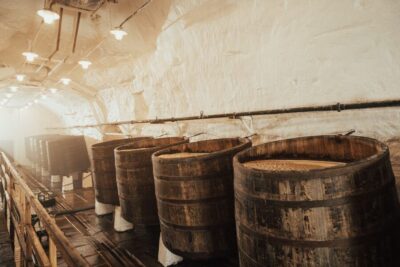
Pilsner Urquell Brewery Tour with Beer Tasting
Read our review →
Staropramem Brewery Self-Guided Tour with Tasting
Read our review →
Hidden Brewery Caverns Tour in Cincinnati with Beer Tasting
Read our review →

Browse the lists this tour appears in