
Review · COPENHAGEN BREWERY TOURS
Vesterbro Tour With Beer & Pub Visits – Max 10 People
Vesterbro’s best stories are told over a beer, not from a museum label. This three-hour walk moves from the old working-class pubs around Istedgade to Mikkeller’s sleek craft-beer world, with stops for street art, old neighborhoods, and the Meatpacking District along the way.
I like the small group limit of 10, which makes it easier to ask questions and get personal recommendations. I also like the sharp contrast between Freddy’s traditional brown bar and Mikkeller’s modern beer room. You see how Copenhagen’s west side changed without losing every trace of its rougher past.
The main drawback is the first pub. Indoor smoking may be part of the old-bar atmosphere, and several people found it uncomfortable. The tour is also less useful for serious brewing fans, since the focus is local culture and neighborhood stories rather than brewing technique.
What makes this Vesterbro walk worth your afternoon
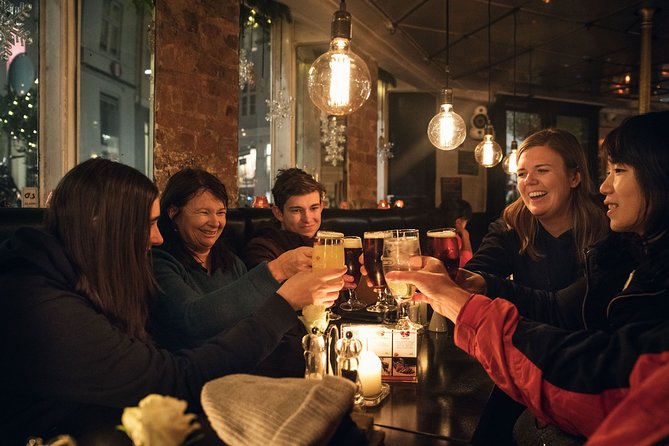
- Three beers are included: one traditional Danish beer and two craft beers.
- The route connects old and new Vesterbro: Istedgade, brown bars, Mikkeller, street art, green spaces, and the Meatpacking District.
- The group is capped at 10 people: a good size for conversation and individual questions.
- Guides bring different strengths: Kenneth is often praised for humor and local knowledge, while Liva, Oskar, Lucas, Kim, and Jacqueline have also led enjoyable tours.
- The tour ends near dinner options: Halmtorvet and the Meatpacking District are close to restaurants, bars, and evening activity.
- Smoking is a real consideration: the traditional pub may allow indoor smoking, so people with asthma or smoke sensitivity should take note.
Starting beside Copenhagen Central Station
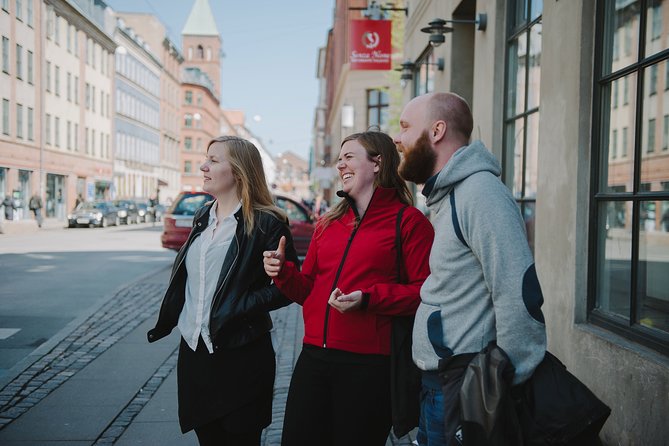
The meeting point is at Reventlowsgade 7, in front of the gates near Copenhagen Central Station. The guide arrives about 10 minutes early, and the walk begins at 3 p.m.
This is a useful starting point because the station sits right at the edge of Vesterbro. You do not waste time crossing town to reach the neighborhood. The first 15 minutes set up the story of Vesterbro and explain how its identity grew from working-class roots, nightlife, industry, and social change.
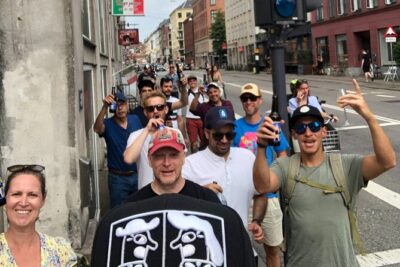
The walk is not a hard hike. Comfortable shoes still matter because you will be on city streets for about three hours, with time spent standing in bars and walking between them. Bring a rain jacket or umbrella if the forecast looks uncertain. Copenhagen weather can change before your beer does.
More brewery tours worth booking in the world:
- Bruges: Guided Tour & Boat Ride with Optional Beer Tasting
★ 4.4 · 3,894 reviews - Prague: Pilsner Urquell Experience & Beer Tasting
★ 4.7 · 3,480 reviews - Cologne: Brewery Tour with 3 Kölsch Beer Tastings
★ 4.7 · 3,108 reviews
Istedgade and the neighborhood’s rougher past
The short walk along Istedgade introduces Vesterbro’s former red-light district. This is not presented as a shock tour. Instead, the guide explains how drugs, prostitution, poverty, and local government programs shaped the street and its reputation.
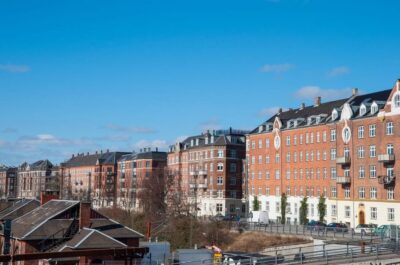
That context matters. Vesterbro is now one of Copenhagen’s most popular areas for food and nightlife, but its older identity has not vanished. You get a better sense of the neighborhood by seeing both sides: the polished cafés and design-conscious businesses, along with places that still feel plain, practical, and a little unruly.
The stop is brief, around five minutes, but it gives the rest of the walk a useful frame. Vesterbro’s change was not simply a switch from bad to good. It was a long process involving public planning, new businesses, social programs, and pressure from rising popularity.
Freddy’s Bar and the old brown-bar tradition
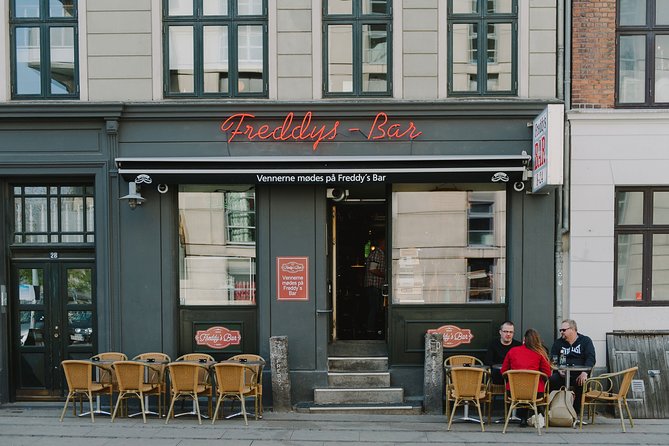
Freddy’s is the first pub stop, with about 30 minutes for a classic Danish beer and conversation. This is a traditional brown bar, the kind of local drinking place linked to Copenhagen’s working class.
The guide uses the setting to explain why these bars mattered to Carlsberg workers and other local residents after work. This is one of the strongest parts of the experience because the pub itself becomes part of the history lesson. You are not just hearing about working-class life. You are sitting in the type of place where that social life happened.
Expect a simple, old-fashioned atmosphere rather than a polished tasting room. That is the point. You may see a side of Copenhagen that is easy to miss if you spend all your time in stylish restaurants and postcard-ready squares.
There is an important warning here: indoor smoking may be allowed. The smoke is not an accidental detail. It helps show the contrast between Copenhagen’s old brown bars and its cleaner, newer beer rooms. Still, the experience can be unpleasant for anyone with asthma or a strong sensitivity to smoke. Ask the guide about outdoor seating if needed, though the information provided does not promise that an alternative will always be available.
The Meatpacking District, from industry to nightlife
After Freddy’s, the route passes through Copenhagen’s Meatpacking District. The old industrial buildings have been adapted for restaurants, bars, shops, and creative businesses.
The guide walks through all three areas of the district and explains how the buildings were used before their new life. This is a good example of the tour’s wider theme: Copenhagen often reuses old structures instead of wiping the past away.
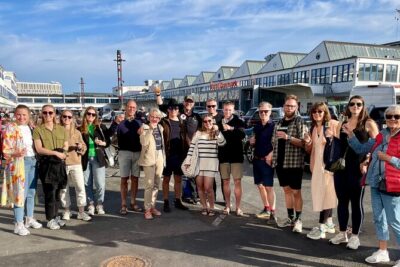
The walk ends close to the district, not inside a closed-off attraction. That gives you freedom after the tour. You can return for dinner, continue to a bar, or explore the area on your own. The end point at Halmtorvet 27E is especially practical because the surrounding streets offer many evening choices.
Same city, a different round:
- Pilsen: Pilsner Urquell Brewery Tour with Beer Tasting
★ 4.7 · 2,419 reviews - Prague: Staropramem Brewery Self-Guided Tour with Tasting
★ 3.7 · 2,106 reviews - Tennent’s Brewery Tours Ticket
★ 5.0 · 1,938 reviews - Hidden Brewery Caverns Tour in Cincinnati with Beer Tasting
★ 5.0 · 1,758 reviews
Viktoriagade and the marks of old Vesterbro
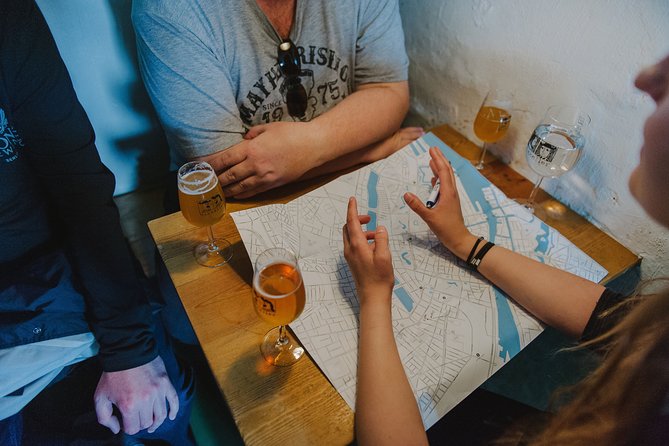
Viktoriagade may not look impressive at first. That is exactly why the stop works. The guide explains why this small street matters to local people as a symbol of Vesterbro’s rebellious and chaotic past.
If the guide has a pen, you may be invited to add a small drawing in an approved spot. It is a minor detail, but it gives the walk a playful edge. The activity is not only about grand buildings and famous names. It also pays attention to the informal marks and local habits that give a neighborhood its personality.
The stop lasts only about five minutes, so do not expect a long art lesson. Think of it as a quick window into the area’s less polished character.
Mikkeller Bar and Copenhagen’s craft-beer shift

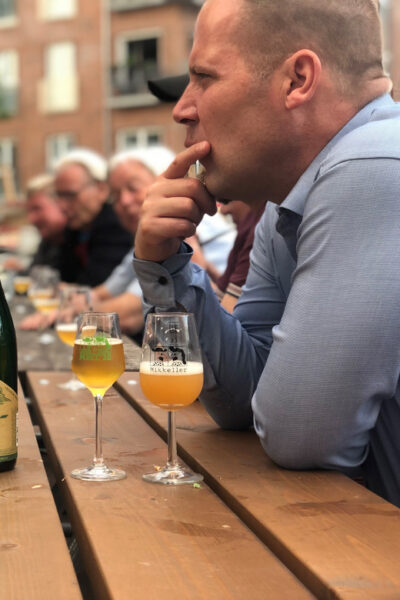
Mikkeller Bar provides the clearest contrast with Freddy’s. You sit down for about 30 minutes and hear the story of two brothers whose interest in beer became one of Denmark’s best-known craft brands.
This is where one of the included craft beers is served, with the option to try one of the four early beers that helped launch the brand. The atmosphere is minimal and modern, a sharp change from the traditional pub. That contrast is one of the tour’s most effective ideas. You can taste the difference in beer culture while sitting only a short walk from the old-fashioned bar.
The included drinks are one classic Danish beer and two craft beers. The exact choices can vary, and the tour is not designed as a technical brewing class. If you want detailed instruction about hops, fermentation, or production methods, this may feel light. If you want to understand how beer fits into Copenhagen’s changing culture, the stop makes more sense.
The guides also help here. Kenneth is often singled out for making beer choices easy and explaining them without turning the stop into a lecture. Liva is praised for knowing her beer and offering varied selections. Oskar has been noted for combining beer information with local history.
The New Theatre and small details on the route
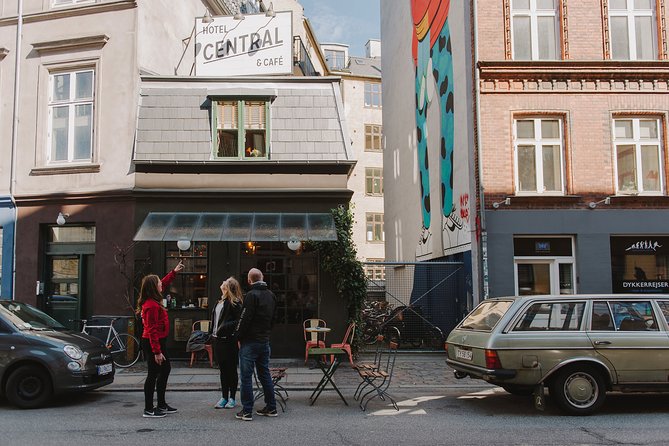
The walk continues past the New Theatre toward the Frederiksberg side of the area. The building itself is attractive, but the guide points out a small detail connected to the change between Vesterbro and Frederiksberg.
This is typical of the tour. It does not rely only on major sights. Instead, the guide keeps directing your attention to details you might pass without noticing. Another stop features a small building with an upper floor and one window, along with a story tied to local history.
These moments depend heavily on the guide’s storytelling. A confident guide can make an ordinary-looking façade memorable. A less engaging guide may leave you wondering why you stopped. The strong ratings for Kenneth, Liva, Oskar, Lucas, Kim, and Jacqueline suggest that the human side of the tour matters as much as the route.
Westend street art and approved graffiti
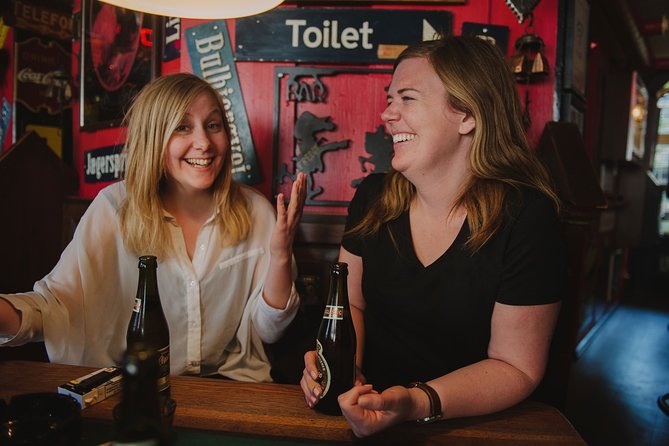
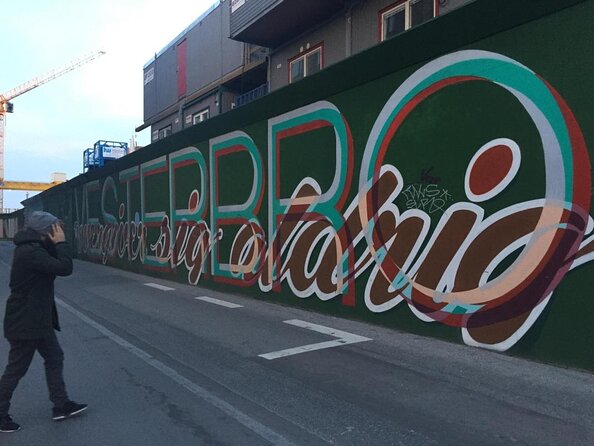
In the French Quarter area, the route turns into Westend, where you see graffiti pieces approved by the municipality. The guide explains the stories behind the works and why sanctioned graffiti sites matter in a historic city.
This is a useful stop because it avoids the simple argument that all graffiti is either art or vandalism. Copenhagen has old buildings and strict visual standards, but it also has a living street-art culture. Approved walls provide space for artists while helping protect other parts of the city.
The stop lasts about 10 minutes. It is short, but it adds another layer to Vesterbro’s identity: old buildings, modern design, local expression, and public rules all sharing the same streets.
Skydebanehaven and the story behind Shoot the Parrot
At Skydebanehaven, the guide opens a gate into a green area that once served a very different purpose. The wall and the setting can make you expect a castle, but the story is tied to royal use and an old shooting ground.
This is also where you learn the origin of the Danish expression To Shoot the Parrot. The guide explains how the phrase connects to the site. The park now feels far removed from its former role, with green space and a playground taking the place of royal recreation.
The stop lasts about 10 minutes and offers a welcome change from pubs and city streets. It also shows why a neighborhood walk can be more revealing than a simple bar crawl. You get a sense of how power, leisure, public space, and local language have crossed paths here.
Sønder Boulevard and Vesterbro’s public planning changes
The route passes along Sønder Boulevard, an area that once suffered from heavy traffic and pollution. Changes in public planning during the late 1990s helped turn it into a greener place for relaxing and spending time outdoors.
This is one of the clearest examples of Vesterbro’s physical change. The tour does not only tell you that the neighborhood improved. It shows how traffic patterns and public space changed daily life.
The timing also works well. After the darker stories of Istedgade and the smoky old pub, Sønder Boulevard gives you a more hopeful view of the neighborhood. Vesterbro is not presented as frozen in its rough past. It is a place that has been actively reshaped.
Fermentoren and the final beer option
The final stop is Fermentoren Beer Bar if the group does not stop for an outdoor beer and the weather is poor. This bar combines the homely mood of the traditional pub with a wide selection of changing craft beers.
The bar has many taps, and the selection changes weekly. If the choices feel overwhelming, you may be able to keep things simple and let the roll of a die decide. The tour includes two craft beers in total, with the exact serving plan depending on the route and conditions.
You can stay after the official tour if you want, and the guide can suggest nearby places for dinner. That is useful because the finish near the Meatpacking District puts you close to one of Copenhagen’s strongest evening food areas.
What the $72.59 price really buys you
At $72.59 per person, this is not the cheapest way to drink three beers in Copenhagen. If you only want alcohol, you can spend less by choosing your own bars.
The value comes from the small group, the three-hour route, the included drinks, and the local guide who connects the pubs to Vesterbro’s social and political changes. You are paying for access to places you might not confidently enter alone, plus the explanations that make those places matter.
I would judge the price by your interest in guided storytelling. Kenneth, Liva, Oskar, Lucas, Kim, and Jacqueline have each been praised for humor, warmth, local insight, and conversation. The occasional private or very small group can make the experience feel personal, though the group may still reach the maximum of 10.
The tour is less good value if you are a brewing specialist, dislike walking between several short stops, or only want high-end beer rooms. It is also a poor fit if smoke is a serious health concern and no outdoor alternative is available at Freddy’s.
Who should book this Vesterbro experience
I would recommend this tour to first-time Copenhagen visitors who want a neighborhood introduction with a social edge. It suits solo visitors particularly well because the small group and shared tables make conversation easier. Couples and friends can also use it as a relaxed start to an evening in the Meatpacking District.
Beer fans will enjoy the mix of classic pilsner and craft beer, but you do not need to be a beer expert. Several guides have helped people choose drinks based on personal taste, and even someone who is not fond of beer can still get value from the history and atmosphere.
I would be cautious if you have asthma, avoid smoky interiors, or want a detailed lesson in brewing. Also note that no one under 18 is permitted, and the tour does not include dinner or extra drinks.
The tour offers free cancellation if you cancel at least 24 hours before the 3 p.m. start time. Changes or cancellations inside that window are not accepted for a refund.
Should you book the Vesterbro beer walk?
Book it if you want local bars, neighborhood history, and three included beers in one compact afternoon. The strongest feature is the contrast between Freddy’s brown-bar tradition and Mikkeller’s craft-beer culture, with street art, old public spaces, and the Meatpacking District tying the story together.
Skip it if you want a pure brewery tour, a smoke-free guarantee, or the lowest possible price for a few drinks. For most visitors who like informal history and authentic pubs, this is a smart way to see Vesterbro before dinner. Just arrive at the station meeting point early, wear good shoes, and plan around the smoking issue.
FAQ
How long does the Vesterbro beer tour last?
The tour lasts approximately three hours.
What time does the tour start?
The tour starts at 3 p.m.
Where does the tour begin?
It begins at Reventlowsgade 7, near Copenhagen Central Station, in front of the gates.
Where does the tour end?
It ends at Halmtorvet 27E, near the Meatpacking District.
How many people can join the tour?
The maximum group size is 10 people.
What beers are included?
The tour includes one traditional Danish beer and two craft beers.
Is the tour offered in English?
Yes. The experience is offered in English with a native English-speaking guide.
Are people under 18 allowed to join?
No. Passengers under 18 are not permitted.
Can I bring a service animal?
Yes. Service animals are allowed.
Is food included?
No. Additional food, drinks, dinner, souvenirs, and guide gratuities are not included.
Newest beer tours in the world
- Würzburg: Unique Brewery Tour with Beer Tasting★ 5.0 · 2 reviews
- Zurich Beer Tour – tasting tour with a local beer expert★ 5.0 · 3 reviews
- Wroclaw: Guided Tour & Beer Tasting (2 hours)★ 3.4 · 6 reviews
- Zaanse Schans: Brewery HOOP Tour and Tasting★ 3.4 · 4 reviews
- Warstein: Warsteiner World Brewery Tour★ 4.6 · 3 reviews
- Warsaw: Guided Craft Beer Tour with a Friendly Guide★ 5.0 · 4 reviews
- Vilnius: Private Beer Tour & Tasting★ 4.7 · 3 reviews
- DAILY Beer Tasting Private Guided Tour at Best Warsaw Pubs★ 3.9 · 8 reviews
Copenhagen Brewery Tours, compared.
Politically Incorrect Beer Tasting Walking Tour
Read our review →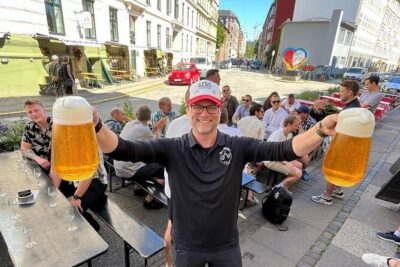
Browse the lists this tour appears in